OFFICE DESIGN & REFURBISHMENT CHECKLIST – Your step by step guide to ensuring your office design & refurbishment goes without a hitch.

Managing a refurbishment in occupation.
The refurbishment of your office is likely to be one of the biggest expenses in the history of your business. So it’s vital to get it right first time.
If you’ve been tasked with creating a brand new space for your company, you’re probably wondering where to start. And if that’s not enough, it’s pretty daunting knowing it’ll all take place under the watchful gaze of your company’s board of directors and all of your colleagues
But by taking it step by step, and breaking everything down into easily manageable stages, your project will run smoothly and will be an enjoyable process.

CHECKLIST :

Managing a refurbishment in occupation.

The refurbishment of your office is likely to be one of the biggest expenses in the history of your business. So it’s vital to get it right first time.

If you’ve been tasked with creating a brand new space for your company, you’re probably wondering where to start. And if that’s not enough, it’s pretty daunting knowing it’ll all take place under the watchful gaze of your company’s board of directors and all of your colleagues.  But by taking it step by step, and breaking everything down into easily manageable stages, your project will run smoothly and will be an enjoyable process.

We have put together this blog to try and help you out with this process. If you want to get the full PDF downloadable guide just click on the link below or contact Philip at – philip@mdpandpartners.ie
www.mdpandpartners.ie/office-design/
Think about WHY you are refurbishing

Identifying the reasons for refurbishing your office space are critical in ensuring that the finished result meets all of your company’s needs. For instance, if you’re running out of storage space, designing an office with insufficient storage capacity is the last thing you want to do.

If you think about the ‘why’ early on, you’re well prepared to identify the ‘what’ when you come to writing up your brief and discussing your new space with your chosen office refurbishment partner.

REFURBISHMENT TIP:
Think about how your business is likely to change over the next 5 years and plan for that now.Whilst your workplace needs to reflect your current business values it must be able to adapt to any future changes that might be around the corner.

Ensure those WHO should be involved are involved

Choose your champion.

Although it’s a daunting task for one individual, having a single champion for the refurbishment is the best way to ensure things stay on track and don’t suffer from “too many cooks” syndrome.
Who has what it takes to keep all the necessary balls in the air?

Senior enough to make decisions
Experienced at multitasking
Skilled motivator
Knows your business inside-out
Great communicator
Highly organised
Good at sticking to a budget

Know who to involve and when.
There are certain people who should be involved in the decision making process. Make sure you know who to talk to when the decisions need to be made.

Managing Director
Your Managing Director holds the ultimate say-so over the approval of designs and costs.  But whilst you need to be wary of approving anything he or she hasn’t seen, they won’t appreciate being informed about every little detail.

Financial Director
As the person who sets the budget, your Financial Director has  lot of influence.

Facilities Director
Your Facilities Director knows the ins and outs of your building, and will already have built up a relationship with your landlord. Make sure he or she is involved in any negotiations that affect your lease.

Office Manager
The Office Manager hears the gripes and grumbles of staff on a day-to-day basis.

IT Director
If you’re intending to make changes to your IT infrastructure, you’ll need to have your IT Director on side. He or she will be able to help identify what needs upgrading, replacing or keeping, and where to find the best deals.

Operations Director
Your Operations Director is going to want reassurance that business won’t be disrupted during the refurbishment works. Keep him or her in the loop so any issues can be managed before they impact your business.

Marketing
It’s the job of your Marketing department to ensure that your company projects the right image, and they’ll no doubt have input into how branding can be incorporated into the new design.

Human Resources
The basic aim of your HR department is to ensure the well-being of everybody affected by the refurbishment. Make sure they know that consideration of staff welfare is top of your list.

Think of innovative ways to get everybody involved and create buy-in for the move
Use technology to your advantage.

An online forum or Extranet is a great way of letting your stakeholders voice their Opinions and provides an ideal place to host files and plans Hold workshops to present design ideas to staff and get their feedback Create a newsletter for staff, to keep them up-to-date with refurbishment progress and inform them of key dates

REFURBISHMENT TIP:
Ask your landlord if there are any major changes or upgrades planned to the building that might affect the works you’re planning to do.

Work out HOW MUCH you can spend and where you can make savings

Budget for change
The cost of refurbishment is likely to be one of the biggest single outlays your business will ever make, so it’s imperative to set a realistic budget. All reputable suppliers will provide full cost estimates free of charge, so you can communicate the real financial impact of the refurbishment to the rest of your business.

Beware of those surprising hidden costs! Get quotes for everything, and then draw up your budget.

Remember to include:

Changes in your occupancy costs, particularly energy bills and maintenance costs
Transaction fees for agents and lawyers
Planning permission fees – if needed
Insurance costs
Fire /DAC cert fees
Design and fit out costs

Environmental assessments

IT and telecoms
If you’re using the opportunity to purchase new equipment, make sure this is included in the budget, along with any associated disposal costs. And take into account the moving of cabling and equipment during and after the works.

Furniture
Along with the purchase, delivery and installation of new furniture, budget for the removal of any old furniture. Some charities will collect your furniture free of charge, and check out local office surplus companies who might be willing to take it off your hands.

Waste
You’ll probably find a lot of clutter and paperwork that isn’t needed anymore. Look into recycling where possible, but be prepared to pay for rubbish to be removed.

Security
Your office is about to become a building site, meaning it will be hard to keep track of the comings and goings of staff and contractors. And because your office will be occupied during the refurbishment there’ll be plenty of works done out of hours. Make sure you have sufficient security in place.

Contingency costs
Budget for contingencies. Then include contingencies for your contingencies. It’s not unusual to budget an additional 20% for unforeseen changes and extras.

Dilapidation costs
Be aware that any alterations you make could impact on the cost of dilapidation at the end of your lease.

Mechanical and electrical
Upgrading the air conditioning, heating and ventilation systems could use up a large percentage of your budget. Discuss possible contributions with your landlord.

Energy performance
Part L of the Building Regulations refers to conservation of fuel and power. Introduced in 2006, the regulations set high standards for the refurbishment of buildings.

Ensure you’re insured
Check that you, and your chosen office refurbishment partners, have all the necessary insurance cover in place, particularly:
Designer
Professional Indemnity
Contractor
Public Liability insurance
Professional Indemnity insurance
Contractors’ ‘All Risks’ insurance

Decide WHEN is the best time to carry out works.

Minimise disruption
Your office design and refurbishment partner should have experience of carrying out works where ‘business as usual’ was paramount.

Discuss how much work can be done during office hours and what needs to be done out of hours

Prepare in advance
Carry out surveys well in advance to ensure that you order long lead-in items with sufficient time to build, deliver and install them.

Heating, ventilation and air conditioning
IT
Furniture & storage
Custom joinery
Sustainable elements

REFURBISHMENT TIP:
The incremental costs of sustainability are minimal if it is planned well in advance. If going green’ is an afterthought, it could be expensive.

Synchronise your calendars

Time is of the essence when decisions need to be made.

When you work out your program, factor in the holidays and commitments of your key stakeholders. Your managing director won’t appreciate his holiday being interrupted because he
needs to sign something by last Friday.

Visualise the blank canvas
Don’t let your imagination be confined by current physical restrictions – walls can be moved, or even removed.

Ask your office design and refurbishment partner to help you visualise the empty space, before they draw up some indicative designs – We supply a full 3D model of your new office space.

Carry out feasibility studies and storage audits.
Evaluating your space and needs now through a well done feasibility study can save you thousands. It will not only help you determine how to accommodate your people, but will also help you plan for future growth.

How many people / workstations do you need to accommodate?
Work out growth rates for each department and compensate accordingly for changes in your space plan

Take a fresh look at how your teams and departments work together with a view to maximising efficiency and communication.
What sort of rooms / spaces would you like?

Calculate current and future size, capacity and usage needs for:

• Reception areas
• Meeting rooms
• Executive offices
• Presentation suites
• Kitchen / tea points
• Break out spaces
• Comms room
• Copy areas
• Mail room
• Recycling points
• Toilets and showers
• Other, i.e. trading floor, library

Examine your lighting, air conditioning, heating and ventilation systems.

It’s quite likely your office refurbishment might involve stripping back to the building’s bare bones, so it’s an ideal time to examine what you can change in your lighting and heating, ventilation and air conditioning (HVAC) systems.
If you share services with other companies in your building, then there’s very little you can change from a HVAC point of view. Although you should make sure you’re getting your fair share of cool air.
Look into how improving your lighting and HVAC systems can contribute to an environmental
rating such as BREEAM®4
Make the most of natural light, but ensure solar gain is taken into account when assessing
HVAC requirements

If you want to get the full PDF downloadable guide just click on the link below or contact Philip at – philip@mdpandpartners.ie
www.mdpandpartners.ie/office-design/
Blog Post – Reinvesting in Hotel Design – Expert Design Advice

Renovation is required for many properties—whether due to new ownership, re-flagging, property improvement plans (PIPs) or simply age—and can be implemented all at once or in phases. Public lobbies are renovated to offer a more flexible, comfortable, living room lounge, while upgraded spaces like meeting and conference rooms offer opportunities for increased event revenue. Back-of-house renovations improve operational efficiencies and maximize the use of real estate. And guest room renovations enhance customer comfort and loyalty.

Embrace the opportunities

With renewed sources of capital, hotel owners, operators and brands are investing again—seizing the opportunity to keep properties fresh and to stay competitive. Cautious optimism reigns and budgets remain tight, so properties must prioritise spending to maximise ROI. These are some of the updates hotels are (or should be) spending money on.

Renovate Property

Renovation is required for many properties—whether due to new ownership, re-flagging, property improvement plans (PIPs) or simply age—and can be implemented all at once or in phases. Public lobbies are renovated to offer a more flexible, comfortable, living room lounge, while upgraded spaces like meeting and conference rooms offer opportunities for increased event revenue. Back-of-house renovations improve operational efficiencies and maximise the use of real estate. And guest room renovations enhance customer comfort and loyalty.

Adaptive Reuse of Buildings for new Hotels

Adaptive reuse—the art and design science of reinventing buildings—occupies a small but powerful niche within the larger world of hotel development. It’s powerful because it gives hoteliers a way into otherwise impenetrable urban centres.

It also gives them a road less travelled. Let’s face it, turning a former office building (or warehouse or theatre) from the 1930’s into a hotel demands not only creativity but an open mind. It demands that hoteliers “restart” their engines. By that, I mean redefining their expectations and their set of “givens” in a way that ground-up construction and/or renovation of existing hotel stock does not require. And did I mention the need for (really) over-the-top design thinking?

For instance, in an adaptive reuse project, a brand’s standard roster of room types may need to be tweaked and expanded to respond to the existing building’s physical constraints, which include structural columns, beams, elevator cores, existing stairs, loading docks, exterior windows and floor-to-floor heights. Traditional hotel space planning may need to be tossed, as well. Spaces may need to be rethought/reconfigured to fit the program elements into the existing architectural shell while simultaneously providing superb guest experiences and operational efficiency. Same with the usual formula for performance. It may need to be revised to account for these planning and construction adjustments.

Boost Sustainability

95% of business travellers believe the hospitality industry should be undertaking green initiatives, and 52% indicate a willingness to pay more for rooms that enable guests to reduce their carbon footprint.So green hotels increasingly attract conscientious consumers as well as corporate meeting planners with social responsibility standards to meet. Enhancements such as efficient lighting, low-flow water fixtures and solar equipment can greatly reduce operational costs without cuts to customer service. Sources: Deloitte Hospitality 2015;

Hospitality brands have made sustainable practices part of their brand and offering. Now health and wellness are in their sights. Wellness is more than access to a spa or fitness centre. It can mean guest rooms that encourage yoga, exercise, and meditation, for example, and design choices, toiletry selections, room-service menus, and mini-bar snacks that reflect a health consciousness.

Hotel Lobby Design

Walking into a hotel lobby is like shaking the hand of someone you just met. It’s all about the first impression. Just like people, hotel lobbies embody distinct personalities. A lobby can be aloof, inviting, intimidating, or unbelievably cool. As an hotelier, you cannot stand by your front door greeting all the guests that make their way onto your property, but you can choreograph initial experiences by transforming your lobby into an oasis.

The best lobbies create a refuge for the tourist, for the business traveller, for the couple enjoying a weekend getaway. Lobbies blend the best of form and function – they anticipate the needs of your guests and introduce your sense of style. Within moments of entering your hotel, guests brand your hotel as trendy, chic, cheap, or luxurious. They step into this public space immediately upon crossing the threshold – so, take this opportunity to make a powerful first impression on your guests.

In today’s competitive hospitality industry, hoteliers constantly work to come up with elements that turn their next visitors into repeat guests. In especially tough economic times, travellers are tightening their budgets. In response, hoteliers need to identify smart solutions that keep guests booking stays.

Letting people escape and unwind

Formality used to be the order of the day for business hotel dining and meeting spaces. No more. Business is conducted now in less formal settings, so hoteliers are shifting gears. “It’s not just about making people comfortable they want to be able to escape. That means giving them places where they can really unwind. These are revenue generators, of course, but they’re also redefining the hotel experience.”

In smaller hotels, the same idea might surface as a roof deck with a cool bar and a plunge pool, or a Zen garden terrace with a day spa attached. The bathtub is now a piece of furniture, Bathing is moving into the guest room proper, making the space feel larger and more interactive.”

Bars and restaurants remain a hospitality mainstay, but with an emerging difference: trend-setting hoteliers are seeking out the unique. Wine bars and microbreweries are two ways that hotels are accentuating the local while providing a familiar service.

There’s a new emphasis on providing an ambience that speaks to “location, location, location” while still channelling elements—and benefits—of the parent brand. The strategy makes the hotel a draw for locals, and their presence helps give it a cosmopolitan sense of being part of the area and its scene.

Refresh Technology

Global consumers have become accustomed to instant—and constant—access to information everywhere they go, and hotel destinations are no different. Upgrading infrastructure in order to provide uninterrupted access has become imperative, with travellers indicating that wireless internet is the top “must have” amenity. Similarly, hotels are using tools like iPad concierge, room service apps, property management systems and social networking to improve communications both internally and externally.

Source: J.D. Power & Associates

Upgrade Food & Beverage

As chef-driven cuisine and cooking networks raise customer expectations, and as 71% of adults say they try to eat healthier when dining out, food trends such as locally sourced and sustainable ingredients, kids’ nutrition, and gluten free diets resonate throughout the hospitality industry. Many diners increasingly choose unique establishments with local ties, and enhanced bar and lounge areas can increase foot traffic by their appeal to local residents as well as hotel guests.

Source: National Restaurant Association

Innovation Desired

With more competition in this sophisticated and rapidly maturing market, choice is up and prices are coming down. That’s driving experimentation: new brands, new lifestyles, and new designs. At the high end, the focus is on creating something special and memorable—the kinds of settings that lead to return visits.

We really hope this short blog gave you some good ideas, if you want to explore your project more just ring or email us and we can see can we help. See contact details below.

About

DOYLE + PARTNERS – Hospitality Practice Leaders

With ever-changing design trends, technology and competition within the industry, hotel owners and operators are focused on creating unique experiences that leave the guests relaxed, renewed and eager for more.

D + P works with hoteliers to design memorable travel experiences for their guests. We approach green hospitality as an opportunity to fulfil guests’ needs and desires while enhancing comfort and convenience. Our approach draws on our insights into specific guest preferences, values and behaviours to create hotels that are welcoming, versatile, and enduring.

Doyle + Partners Hospitality Practice partners with hotel brands and developers to preposition existing properties and create new ones that are poised to succeed as the pace of change quickens and customer demands continue to evolve.

Design Services –

Architectural Design

Brand Strategy & Graphic Design

Interior Design

Sustainability Consulting

CONTACT

Philip Doyle – Design Director

Business Opportunities – Hospitality + Retail
087 3149563
philip@mdpandpartners.ie

Design Studio –

Fumbally Exchange

5 Dame Lane

Dublin 2.

New blog post – 10 mistakes to avoid when developing a Retail or Hospitality project

Before embarking on the procurement of your new Retail or Hospitality building project, it is important to ask yourself a series of very important questions.
While the answers to some of these may seem obvious, they still serve as a useful checklist to help you gather the information you need prior to your first meeting with the project architect.
Here are some of the mistakes to avoid when commencing your Retail or Hospitality project, we hope you will find them useful.
We have put 6 of the points on this blog post. If you want the full 10 points downloadable pdf presentation document or a hard copy posted just go to our website and fill in the details – don’t worry it will only take 2 minutes.

10 mistakes to AVOID when developing a Retail or Hospitality project

Before embarking on the procurement of your new Retail or Hospitality building project, it is important to ask yourself a series of very important questions.

While the answers to some of these may seem obvious, they still serve as a useful checklist to help you gather the information you need prior to your first meeting with the project architect.

Here are some of the mistakes to avoid when commencing your Retail or Hospitality project, we hope you will find them useful.

We have put 6 of the points on this blog post. If you want the full 10 points downloadable PDF presentation document or a hard copy posted just go to our website and fill in the details – don’t worry it will only take 2 minutes.

Contents

1. NO EXPERIENCE

2. NOT HAVING PROPER DOCUMENTS

3. NOT CONSIDERING OTHER SITE DEVELOPMENT OPTIONS

4. UNREALISTIC VIEWS ON TIME, COST & QUALITY

5. LACK OF CLARITY ON NEEDS & EXPECTATIONS

6. HAVING AN UNREALISTIC BUDGET

7. NOT UNDERSTANDING THE PROCESS OF CONSTRUCTION

8. LACK OF KNOWLEDGE OF LAWS, BUILDING REGULATIONS & STANDARDS

9. LACK OF AWARENESS OF THE PLANNING AND BUILDING CONTROL APPROVALS PROCESS

10. LACK OF UNDERSTANDING OF PRIORITIES

1. NO EXPERIENCE

Do you have experience in building a commercial project? If so, was it a good or bad experience?

The issues you encounter when developing a commercial building differ from those involved in building a home for yourself. It is less about your personal preferences and more about making smart decisions that affect your organisation’s users, customers and the general public. These issues include functionality, economy, life safety, security, efficiency, flexibility, and the environment.

If you lack the specific experience, it might be useful to put together a building committee comprising the various key stakeholders in order to make important decisions about the building. It will be useful to appoint an architect who can guide you or the committee through the process.

For more information on this, download our Developer’s Guide,

“How to Hire an Architect,” available in the Downloads EXPERT GUIDES section of www.mdpandpartners.ie


2. NOT HAVING PROPER DOCUMENTS

Do you own the property you are planning to develop? This may seem obvious, but having the Deed for the property is required for planning approval. Combined with the cadastral, these useful to put together a building committee comprising the various key stakeholders in order to make important decisions about the building. It will be useful to appoint an architect who can guide you or the committee through the process.


3. NOT CONSIDERING OTHER SITE DEVELOPMENT OPTIONS

Have you considered all the options for use on your property?

While you may already have a plan in mind, you may be under utilising your properties’ potential. It may not be the right project for your site, or it may be overly ambitious.

Expert advice is needed here to assist you with your final development plan.

4. UNREALISTIC VIEWS ON TIME, COST & QUALITY

How clear are you on exactly what you need, what it should cost, and how long it should take?

These critical factors are directly related to one another. There are building procurement options that accelerate the speed of construction, but add risk in other areas
such as quality or cost. Higher quality may have longer timelines and cost more, while building inexpensively may mean lower quality but not necessarily faster delivery. Determining the right balance of time, cost and quality is a delicate balance that your architect is trained
to provide guidance on for your project.

5. LACK OF CLARITY ON NEEDS & EXPECTATIONS

It is important to discuss with your architect what your needs and expectations are, not only to solicit his advice but also so that the design can be tested against these metrics as it is being developed. Design is not merely about what a project looks like, but more appropriately how efficiently it functions in meeting your needs as well as the needs of the building’s users.

6. HAVING AN UNREALISTIC BUDGET

Do you have a budget, and are you confident that you have taken into account all cost elements?

Building estimates move from very broad to more detailed and accurate as a design is developed and specified. A quantity surveyor with the correct guidance from an architect can develop a preliminary budget that will take into consideration all cost elements as well as provide the right amount of contingency.

In summary, we recommend treating the questions above as a checklist before launching your project. If you would like to explore your needs and options early, before having to pay exorbitant design fees or worse yet, abortive construction costs, we invite you to contact us and allow us to prepare a Needs and Options Review for your project. If on the other hand, you know exactly what you want and are ready to proceed, call us to have a chat with one of our directors.

D + P – NEEDS AND OPTIONS REVIEW
“A surgeon wouldn’t operate without a proper diagnosis, so…”
 
The Problem:
 
It is not uncommon for people to know they want to do a building project, and have thought about it quite a bit – but just don’t know how best to start…!
 
Or worse, launch into an expensive design service without establishing a relationship or worse still, not carefully established the groundwork for the project.

The initial NEEDS AND OPTIONS REVIEW works in the same way. It will allow you to start an exploration designed to precisely understand your requirements and potential roadblocks, then gives:
• Findings and Recommendations;
• A Plan to move forward;
• A Timeline and Rough Order of Cost.

It starts a strategy designed to precisely understand your requirements, and then give findings and recommendations, and a plan to move forward with a timeline and rough order of cost to assist your budget.

Click on the link below to see our video that explains our process that can save you a lot of time and money and book a appointment.
https://mdppartners.wpengine.com/design-vision-package/

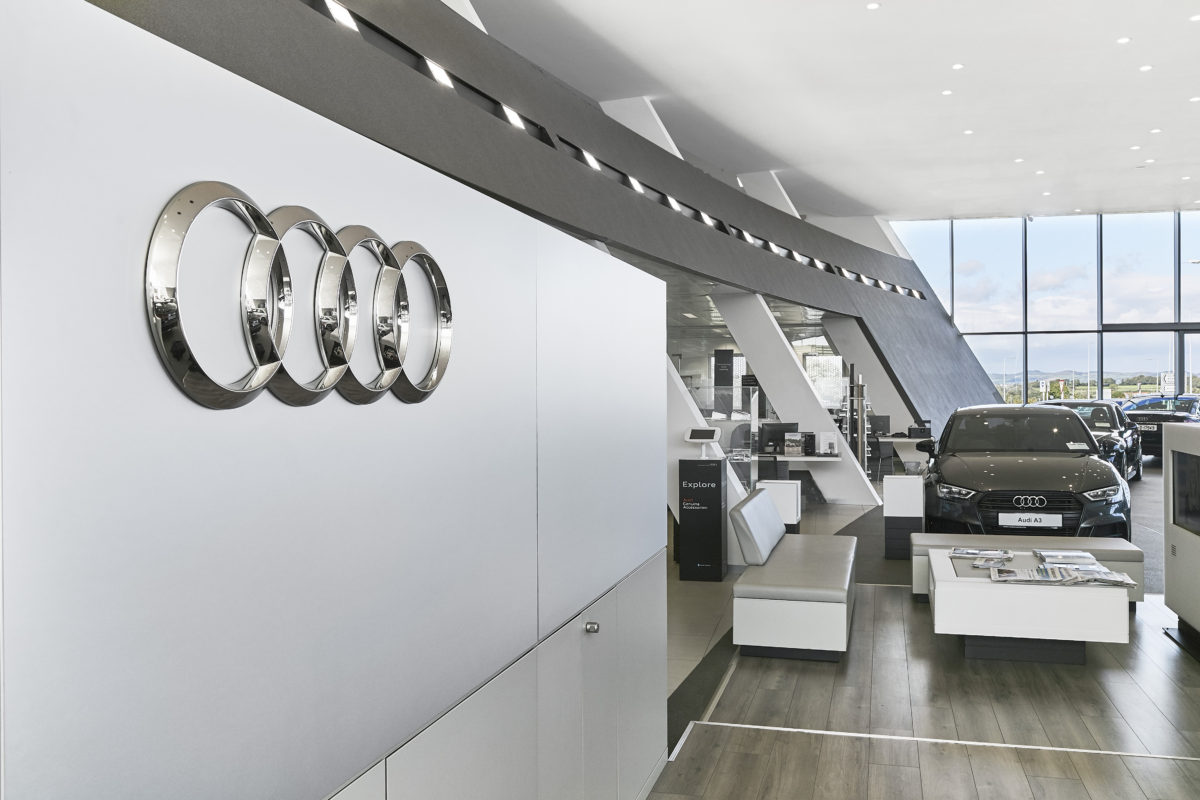
Audi Showroom Projects – Waterford and Wexford

Doyle + Partners Construction worked as the construction managers on these projects to help produce both theses bespoke Audi showrooms and workshops to the highest quality, on time and on budget.

The newly completed Audi Terminal in Wexford has achieved Audi’s highest Audit results out of all the Audi Showrooms after been completed in Ireland.

We had a great working relationship with the clients and EMD Architects who where the Architects on this project.

Doyle + Partners Construction worked as the construction managers on these projects to help produce both theses bespoke Audi showrooms and workshops to the highest quality, on time and on budget.

The newly completed Audi Terminal in Wexford has achieved Audi’s highest Audit results out of all the Audi Showrooms after been completed in Ireland.

We had a great working relationship with the clients and EMD Architects who where the Architects on this project.

The new Audi architecture building type is the Audi terminal. Dynamism, asymmetry and transparency are central to the design intentions of Audi architecture and act as the determining elements of the Audi terminal.

The dynamism of asymmetric curves forming the three-dimensional environment contrasts with the orthogonally organised ancillary areas and the clear rectangular volume of the structure. The collision of both systems accentuates the asymmetric aspect and brings the cars presented into focus.

Transparency is graduated and distinguishes the different levels of publicity in the Audi dealership. The architecture is reticent towards the presented products and enhances their presence. At the same time it communicates the fascination of the Audi brand by its outer appearance.

Audi Wexford and Waterford projects were constructed using Building information software(BIM). With BIM, we can model not only the building, but the end-to-end construction process itself, so whether we’re managing a project or constructing the structure ourselves, we can analyse constructability, coordinate the process, address clashes, and schedule every step virtually before construction begins.

Audi Waterford 2

b9856b_a276bbcd8d654d46b70b78bca130e529

Hotel Design Advice

With renewed sources of capital, hotel owners, operators
and brands are investing again—seizing the opportunity
to keep properties fresh and to stay competitive.
Cautious optimism reigns and budgets remain tight, so
properties must prioritize spending to maximize ROI.
These are some of the updates hotels are (or should be)
spending money on.

With renewed sources of capital, hotel owners, operators and brands are investing again—seizing the opportunity to keep properties fresh and to stay competitive.

Cautious optimism reigns and budgets remain tight, so properties must prioritise spending to maximise ROI. These are some of the updates hotels are (or should be) spending money on.

Restored consumer confidence and business spending is bringing capital back to the hotel market sooner than many anticipated.

Adaptive Reuse of Buildings for new Hotels

Adaptive reuse—the art and design science of reinventing buildings—occupies a small but powerful niche within the larger world of hotel development. It’s powerful because it gives hoteliers a way into otherwise impenetrable urban centres.

It also gives them a road less travelled. Let’s face it, turning a former office building (or warehouse or theatre) from the 1930’s into a hotel demands not only creativity but an open mind. It demands that hoteliers “restart” their engines. By that, I mean redefining their expectations and their set of “givens” in a way that ground-up construction and/or renovation of existing hotel stock does not require. And did I mention the need for (really) over-the-top design thinking?

For instance, in an adaptive reuse project, a brand’s standard roster of room types may need to be tweaked and expanded to respond to the existing building’s physical constraints, which include structural columns, beams, elevator cores, existing stairs, loading docks, exterior windows and floor-to-floor heights. Traditional hotel space planning may need to be tossed, as well. Spaces may need to be rethought/reconfigured to fit the program elements into the existing architectural shell while simultaneously providing superb guest experiences and operational efficiency. Same with the usual formula for performance. It may need to be revised to account for these planning and construction adjustments.

Renovate Property

Renovation is required for many properties—whether due to new ownership, re-flagging, property improvement plans or simply age—and can be implemented all at once or in phases. Public lobbies are renovated to offer a more flexible, comfortable, living room lounge, while upgraded spaces like meeting and conference rooms offer opportunities for increased event revenue. Back-of-house renovations improve operational efficiencies and maximise the use of real estate. And guest room renovations enhance customer comfort and loyalty.

Boost Sustainability

95% of business travellers believe the hospitality industry should be undertaking green initiatives, and 52% indicate a willingness to pay more for rooms that enable guests to reduce their carbon footprint. So green hotels increasingly attract conscientious consumers as well as corporate meeting planners with social responsibility standards to meet.

Enhancements such as efficient lighting, low-flow water fixtures, and solar equipment can greatly reduce operational costs without cuts to customer service.
Sources: Deloitte Hospitality 2015;
Hotel Association of Canada
To find out more – Download our Hotel Design Guide here –

https://mdppartners.wpengine.com/#!request-for-information/cb8x


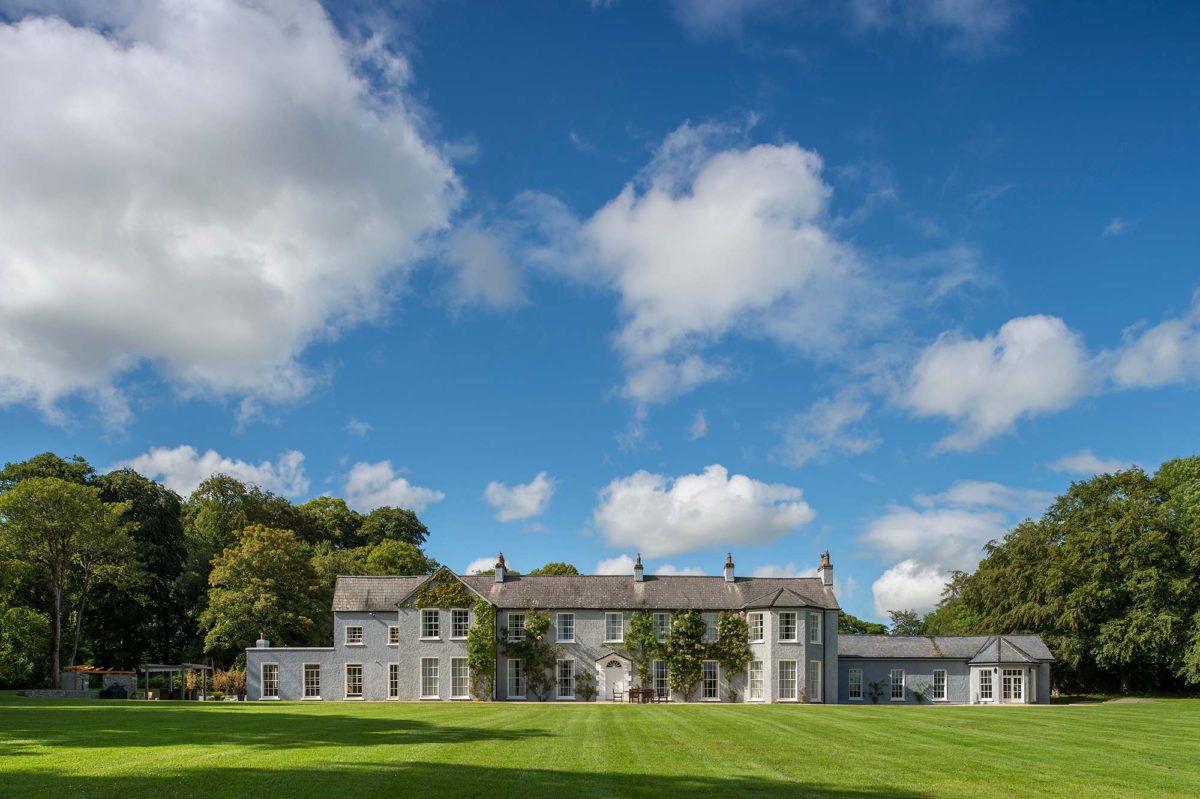
Period Home Refurbishment in Co Kildare

Description: This project was the refurbishment of a large period building (10,000 sqft) and stud farm.The building originates from the nineteenth century.

Full restoration was carried out including demolition of inappropriate flat roofed extensions and construction of new side living area to take advantage of the views and light.

Period Refurbishment in Co Kildare

Description: This project was the refurbishment of a large period building (10,000 sq. ft.) and stud farm. The building originates from the nineteenth century.

Full restoration was carried out including demolition of inappropriate flat roofed extensions and construction of new side living area to take advantage of the views and light.

The interior was completely reformed to create dramatic living spaces that complement the original structure of the building.

The work has been carefully executed in traditional materials to complement the vernacular building in the surrounding countryside and to best practice in conservation.

D + P provided full Architectural services services for this project. www.mdpandpartners.ie

Doyle + Partners worked with a great team and brilliant clients on this project to make it a success for all involved.

We worked with interior designer Maria Fenlon – http://www.mariafenlon.com/

The quantity surveyors were PhelanDoyle
http://www.phelandoyle.ie/

The main contractor was Paul Burke Construction

See below before and after pictures from finished project. Pictures taken by – http://www.garethbyrne.com/


Doyle + Partners Moved To New Modern Design Studio !

Fumbally Exchange, is a thriving place full of creative companies. Our neighbours will include: graphic designers, architects, structural engineers, Interior Designers, Brand Designers and much more . . . Location-wise, we will now be rooted firmly in the city centre and as everybody knows, this is where it’s at. The street is a lovely, little cobble-stone street which has great restaurants, cafes and bars on our doorste

We are very excited to announce that Doyle + Partners have moved to entirely new office this week.New address: Fumbally Exchange, 5 Dame Lane, Dublin 2.

Fumbally Exchange, is a thriving place full of creative companies. Our neighbours will include: graphic designers, architects, structural engineers, Interior Designers, Brand Designers and much more. Location-wise, we will now be rooted firmly in the city centre and as everybody knows, this is where it’s at. The street is a lovely, little cobble-stone street which has great restaurants, cafes and bars on our doorstep.

We will be part of a dynamic and collaborative community of entrepreneurs and creative professionals.

Your continued patronage, has afforded us the opportunity to move into this larger, design studio space, where we can better serve the needs of all of our clients. This modern studio space, will allow us to offer the same high-quality service, with the added benefit of a great place to work and interact with our clients.

We know that your time is valuable and we are excited that our new space will better accommodate the needs of our growing business, while still providing the one-on-one attention that you deserve.

We look forward to seeing you all soon.

Kind Regards,

Philip Doyle

PS – See some pictures below of our new office.

Graphics + Brand Strategy for Business Success.

Our communications strategies help clients support their brand, convey a message, package information and promote their products.

Behind every successful development is a powerful expression of brand values and the creation of a positive and enjoyable experience for the customer.

Architecture/Interiors + Brand Strategy for Business Success.

Visual Communications + Brand Strategy for Business Success.

Our communications strategies help clients support their brand, convey a message, package information and promote their products.

Behind every successful development is a powerful expression of brand values and the creation of a positive and enjoyable experience for the customer.

Architecture/Interiors + Brand Strategy for Business Success.

We combine Architectural Design, Interior Design and Communications graphic strategies to help our clients support their brand, convey a message, package information and promote their products for business success.

Our multi-disciplinary expertise will find the best solution for every aspect of your business, leading to the optimum consumer experience.

Specialising in :

Retail

The most compelling retail environments engage, amuse and even entertain shoppers. They become destinations.

D + P’s retail design specialists deliver revenue-producing solutions. We have a deep understanding of consumer psychology and market trends. This allows us to help clients create engaging, branded experiences that entice consumers.

Corporate

More than ever, companies need work environments that engage their people, improve productivity and support the continuously changing business climate.

Companies that align their physical spaces with their organisational requirements and plans for the future have another tool that helps them achieve their business goals. Well-designed workplace environments support a company’s real estate strategy, image, internal culture and approach to social responsibility.

Hospitality

Hospitality and leisure environments become popular destinations by creating memorable guest experiences. They embrace the client’s brand and aspirations.

D + P’s hospitality design solutions bring long-term value to owners. We incorporate practical space planning ideas, proven sustainability strategies and innovations in security and technology.

SPACE AS A MESSAGE

Brand identity and communication in space for business success

DESIGN DIRECTION

The Term Branding Is Widely Used with Broad Definition and Diverse Meaning.

Visual Touchstones

Mission (and Agenda to Achieve It)
Values (We Collectively Subscribe To)
Vision (of Ourselves in Future)

Visual Tools:

Evocative Illustrations, Lyrical Imagery, Headline and Narrative (via Collective Voice)

Visual Communications

Communicate Metrics
Announce Milestones
Celebrate Breakthroughs
Visual Tools:
Chart, Graph, Literal Imagery, Headline and Narrative (via Individual Voices)

Visual Brand

Identify Our Enterprise
Mark Our Space
Label Our Product
Visual Tools:
Logo Mark, Colour Usage, Font Selection, Personality of Image and Writing Style (Tone of Voice)

Visual Arts

Evidence Our Culture
Frame Our World View
Suggests Our Collective Persona
Visual Tools:
Imagery, Illustration, Art,

VEHICLES FOR VISUALISING COMPANY’S VALUES + CULTURE

Clever Sign Design

Retail- tying workplace to marketplace.

Interpretive Murals and Patterns

Digital output onto fabric banner, canvas mural, plots on walls, film on glass.

Products and Services Displays

3D exhibit and 2D muralistic: annual report art, product photography, and advertising campaigns re-purposed and extended.

Work-group Identity and Metrics

Overhead identity banners | imagery on furniture panels | art on rolling carts wall mounted |
door mounted | interior billboards

FIND OUT MORE – CLICK LINK https://mdppartners.wpengine.com/#!cafe-design/c1cg3

We Create – We Innovate – We Care

Cafe Design – How to avoid the budget trap

Our perception of coffee houses are that of places where people who care about coffee origins and community go to experience properly prepared specialty teas and coffees from around the world. A place where one gets their morning coffee ritual, their afternoon tea, a late night espresso and slice of cake. These places are in some manner of our modern living experience, sacred to our hearts, our communities and our routines…

Cafe Design + Architecture

Our perception of coffee houses are that of places where people who care about coffee origins and community go to experience properly prepared specialty teas and coffees from around the world. A place where one gets their morning coffee ritual, their afternoon tea, a late night espresso and slice of cake. These places are in some manner of our modern living experience, sacred to our hearts, our communities and our routines…

Construction/Fit-out Costs ?

How to avoid the budget trap

This is a question that we get from every client. We can help you plan and project your costs by providing detailed cost estimates and budgets for all aspects of your project before things get out of hand…

Many novice restaurant and cafe owners aren’t ready for the true costs they will incur constructing appealing and competitively-designed outlets. I’m often given a tight budget to work with, this isn’t a problem but it’s not wise, for you or for me, to proceed with an impossible budget. So, if you’re not sure what your project is going to cost to build and if your funds are limited, I can conduct a professional feasibility study. This includes an outline design and independent quantity surveyor will cost and is the only way to obtain accurate costs.

The main reason for cost overrun is rarely an unforeseeable problem but failing to investigate properly and face facts at the start. I find it best to give every project individual care and diligence so you won’t end up trapped without enough money to finish your project, after all, there is probably only one chance for you to get it right.

In order to successfully enter a new market any food or drink outlet must exceed standards set by incumbent competitors.So there is no point in opening a café that fails to meet people’s’ expectations, which will almost invariably have been set by large chain operators spending large sums to attract carefully targeted groups of customers. If you try to launch a new restaurant or café into a crowded market without doing things right you won’t get a second chance. Ugly doesn’t sell. If you don’t spend enough to solve this problem, which may be more that you want to spend, then you’ll probably waste all of your money.In my view, it is a failure to appreciate these simple facts that leads to the failure of most new food and drink ventures.

FIND OUT MORE – CLICK LINK BELOW

https://mdppartners.wpengine.com/#!cafe-design/c1cg3

Retail + Hospitality Design

Lifestyle choices and aspirations drive the retail sector, whether it’s a store, a popup shop or an Retail Store. The language of retailing is experiential, speaking to people’s desire for self-expression, for community and for connection.

We provide innovative design solutions at an affordable price. Our passion is developing a retail space tailored to your needs.
We specialise in working with small to medium size retail clients, we are a small company so we give you that personal service.

https://mdppartners.wpengine.com/#!hospitality-design-retail/ceqw

RETAIL DESIGN

Lifestyle choices and aspirations drive the retail sector, whether it’s a store, a popup shop or a Retail Store. The language of retailing is experiential, speaking to people’s desire for self-expression, for community and for connection.

We provide innovative design solutions at an affordable price. Our passion is developing a retail space tailored to your needs.

We specialise in working with small to medium size retail clients, we are a small company so we give you that personal service.

Doyle + Partners plans, designs and implements the full range of retail-from store design and roll-out to retail architecture. We also provide brand development and merchandising design—everything from the customer experience to the logos, labels and packaging.

BUILDING TYPES
– Workplace
– Boutiques
– Cafes
– Department Stores
– Kiosks
– Pop-Ups
– Beauty Salons
– Retail Stores
– Restaurants
– Car Showrooms
To get our FREE Expert Retail Design Guide full of Expert Advice and Tips.  Fill out the details below and we will email it on ASAP.

Retail is always more about the Relationship then the transaction – find out why in our Expert Free Guide